Spain to regulate who can be gender equality officers at workplaces
The Spanish cabinet has approved a new draft law aimed at regulating the roles of gender equality officers.
Spain’s Council of Ministers this week approved a draft bill to regulate the profession of gender equality officers, who are responsible for monitoring and enforcing protocols against sexual harassment and gender discrimination.
This law responds to demands from the sector and seeks to regulate the essential aspects of the role.
Currently, gender equality officers in Spain are not overseen by a particular law, leading to vast differences when it comes to carrying out their jobs.
According to the bill, equality officers are “responsible for promoting, coordinating, designing, and evaluating actions aimed at progressively achieving effective equality between women and men in different social spheres, ensuring the absence of any form of direct or indirect discrimination based on sex”.
Their main function is to identify situations of discrimination and inequality between women and men, and implement public policies and programmes, which help reducing and eliminate these situations.
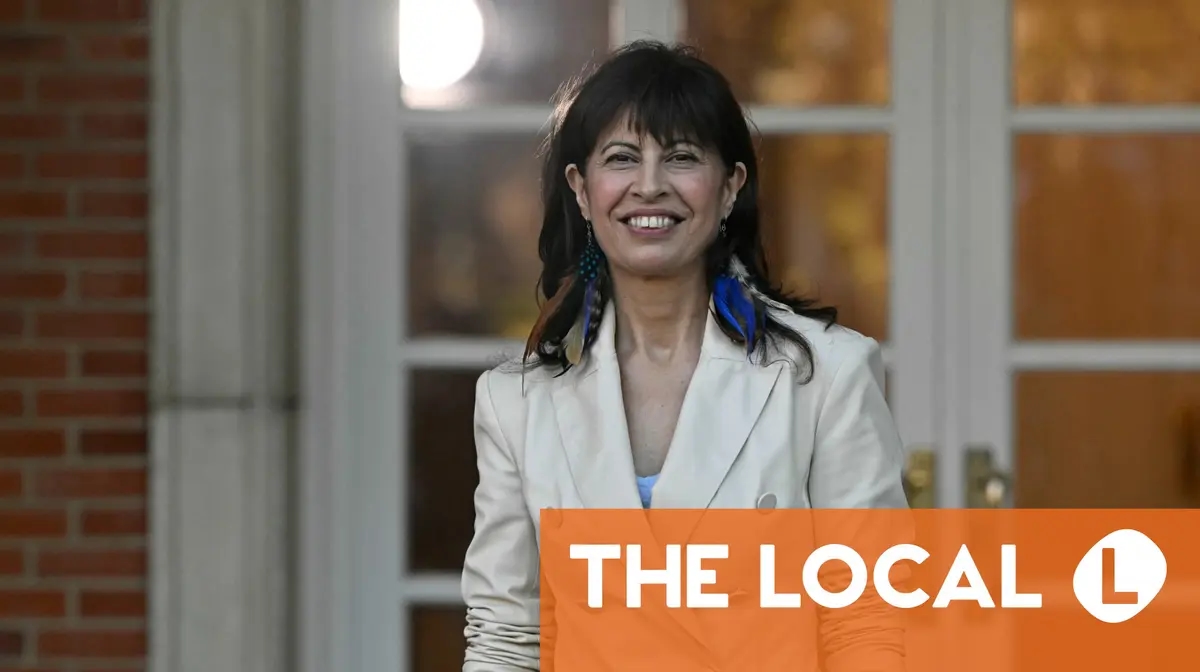
The Minister for Equality, Ana Redondo explained that Article 4 of the new law will specify the particular functions of an equality officers, which includes external advice on the development of anti-harassment and gender-based violence protocols, as well as measures against discrimination.
The draft law also lays out the specific equality training programmes that these professionals must undertake.
According to Redondo, in 2024, only 53 percent of the 629 people hired as equality officers in 2024 had university degrees.
The draft bill states that going forward, all of these officers must have either a university degree or a higher Vocational Training (FP) qualification in the field of gender studies, feminist studies and public policies of equality, or a Master's degree in equality.
Such qualifications already exist in Spain, but the leftist government wants to regulate them and determine which ones should be officially recognised.
There will be a 10-year transition period during which those gender equality officers without "professional or educational experience" can obtain official accreditation by demonstrating three consecutive years of experience in this type of role.
Redondo explained that this new legislation will establish a clear framework for the future of the profession, based on formal training and ensures compliance with EU principles.
Spain's ruling Socialist party is currently facing sexual misconduct and prostitution allegations that threaten its reputation as a champion of gender equality, putting its crucial base of women voters at risk.
Please sign up or log in to continue reading

thelocal