Americans in Spain: How the Spanish cost of living compares to the US
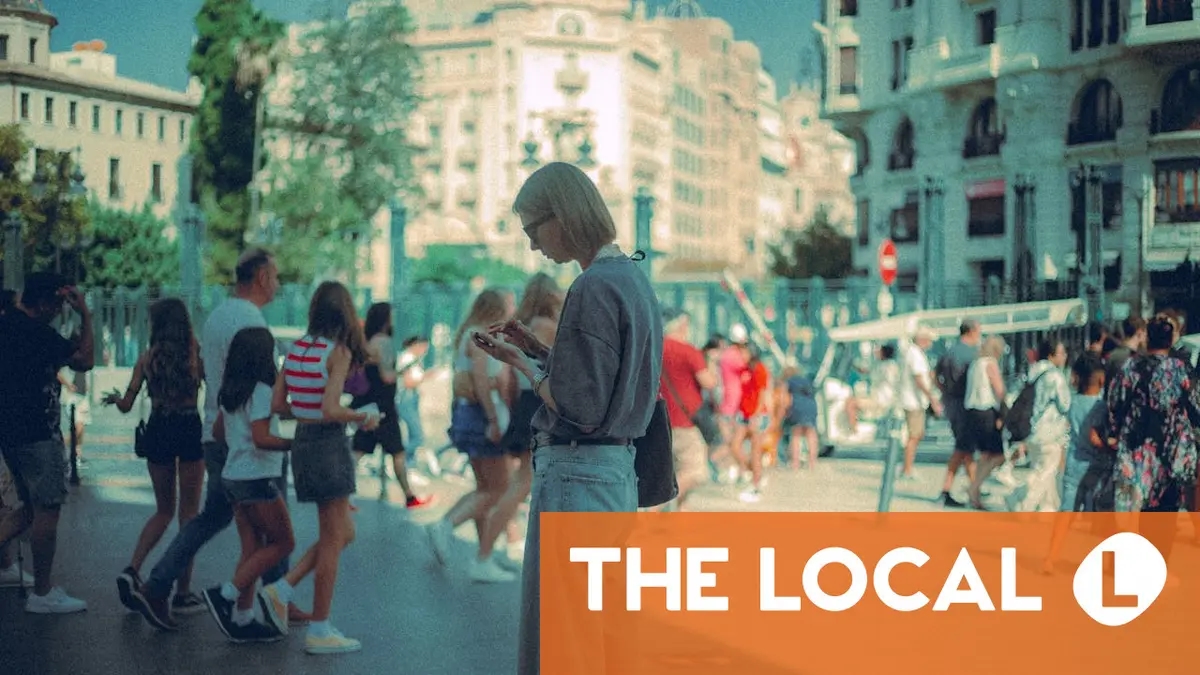
From renting to socialising, here's a detailed look at how to navigate the rising cost of living in Spain if you're an American who is new to the country or considering a move to 'España'.
Spain’s housing crisis has many Spaniards hitting the streets, with thousands rallying in Madrid last week.
But it’s not just housing that strains the bank; Americans moving to Spain for a better cost of living are in for some surprises.
“If you’re middle class, you’ll likely enjoy a better middle-class life, but don’t expect to feel rich,” says a New Yorker who recently relocated to Jávea, an upscale coastal town on Spain’s Costa Blanca.
The average price of a home in the foreigner-favoured town is €3,436/m², representing a 3.3 percent year-on-year increase.
Similar increases can be seen in major cities. The average housing price in Madrid is €5,861/m², a 14.8 percent year-on-year increase. Barcelona boasts similar prices: by the end of 2025, the average stood at €4,531/m², 15.2 percent higher than the previous year.
It may be arguably less than San Francisco’s €8,834.85², but surprisingly on par with New York's of €4,511.39².
The rates are symbolic of the country’s popularity, particularly among foreigners, who represent one fifth of buyers.
If you plan to rent an apartment in Spain, expect to pay an average of 14.2 €/ m². Although the government is passing measures to cap prices, demand seems to outpace enforcement.
If you don’t know the laws, you may get swindled. I spent a year working with lawyers after my landlord tried to raise my rent 40 percent. In the beachside neighbourhood of Barceloneta, they could easily charge a digital nomad double my rent — even if rental caps make it illegal.
Free to socialise
If the housing situation seems depressing, there’s good news: social life is incredibly affordable. Spain is basically built around public squares. Barcelona continues to create pedestrian-only streets, with picnic tables and benches throughout. Dates often meet at the beach or in the park, and public festivals are common. Barcelona has over 200 yearly events, many of which are free.
READ MORE: The best Barcelona festival to go to each month of the year
Valencia has its own set of festivals, and the northern regions won’t disappoint either. If you keep an eye out, you’ll also find free museum days, when even the most famous exhibitions are open with no fee.
If you’re a New Yorker like me, you may measure liveability by the prices of coffee. Here’s something to smile about. The average coffee in Spain costs less than €2 (if you avoid tourist traps). Even so-called specialty coffee is typically under €3.
Groceries: where to shop for what
While we’re talking coffee, let’s get into the daily: food and transportation costs. When it comes to groceries, you’ll surely eat better for less. But of course, you’ll need to know where to go. Spain has its own version of “Whole Wallet,” what my family calls Whole Foods — Veritas is an upscale organic market and a good choice when you’re in a pinch (branch locations here). They typically stay open on holidays when everywhere else is closed.
READ ALSO: A guide to shopping at your local fruit and veg store in Spain
A more affordable (although less organic) option is Ametller Origin. Then you have the standard supermarkets: Condis, Spar, and of course, Mercadona. For discount options, visit Lidl or Carrefour. In these larger supermarkets, you’ll also find toiletries, and sometimes small electronics or home goods.
If you have the time and are attracted to tradition, I recommend the markets (mercats). Here, you’ll find fresh fish, meats, produce, and dairy all under one roof. An internet search insists that supermarkets are more affordable, but I’ve found that if you’re buying fresh, you’ll save money by choosing the local shop.
Coming and going
When it comes to transportation, go public. Spain recently initiated a €60 monthly public transport ticket covering commuter trains, medium-distance trains, and the bus network. For people under 26 years of age, it’s €30.
READ ALSO: Is Spain’s new €60 nationwide travel pass worth getting?
The metro also remains affordable, and airport transfers are generally efficient and clean.
If you’re feeling more independent (and sporty), grab a public bike or motorcycle; it’s a great way to get around town.
Fiesta
What about the nightlife? If you’re looking to enjoy an after-work drink on a terrace, most Spanish cities will be cheaper than their American counterpart. Of course, the smaller neighbourhoods are more affordable than the centre, and anywhere tourism reaches will typically have a higher selling point.
But if we’re talking about the club, be prepared to spend some money. In Barcelona, discotecas typically charge a cover between €20 and €40, depending on the day of the week and the venue. Drinks are not included. Madrid is comparably cheaper, with many sources citing door fees at around €15. A weekend in Ibiza could break the bank, with door fees sometimes north of €150.
READ ALSO: The big concerts taking place in Spain in 2026
Of course, there’s a happy middle ground. In a country known for its social buzz, you’ll easily find smaller venues with live music, a good-enough DJ, and importantly, no cover fee. You’ll also find that smaller towns often have great music venues where the whole village parties together.
Health and wellness
The yoga trend made it to Spain years ago, and recently, there seems to be a new Pilates studio every week. I’ve never paid more than €12 for a single class, but studios tailored to foreigners may charge more.
Many will be pleased that ClassPass exists in Spain as well, and it’s a great way to try out different spots. There are also many fitness clubs to choose from. If you want to belong but save some cash, look for a municipal sports facility. Beyond being more affordable, it’s a great way to meet locals and embed yourself in the community.
READ ALSO: Finding your tribe - A guide for Americans building a life in Spain
Of course, you don’t need classes or a club to be fit in Spain. In a country where life happens outdoors, you’ll have plenty of opportunities for hiking, swimming, cycling, and group activities. The Meetup App is excellent for team sports, and there’s no shortage of football leagues.
Saving grace
I’ve lived in Barcelona for eight years; prices have gone up. But there’s still a way to navigate the increase and indulge in the good life.
First off, know which restaurants still serve a menu del dia. Served during lunch hours (usually between 2 pm and 4 pm), the menu del día includes a beverage, appetiser, meal, and dessert. Neighbourhood spots still serve it for around €15 with an upcharge for certain plates. In Barcelona, my go-to spots are Gravin and Café del Born in el Born. You also find restaurants in the mercats that serve a menu del día.
When it comes to rent, you need to know your rights and be willing to defend them. Sometimes this means getting a lawyer to stare down a landlord. Have no fear, in many major Spanish cities you can find a free consultation, and lawyers are more affordable than in the US. For example, I paid €500 for my full visa process.
Remember to set your expectations. Just like the US, certain places are more affordable than others. Knowing where to save and where to spend is equally important. If you want to live near the beach, maybe it’s worth living outside the city and taking the train when you want to be in the centre.
Getting comfortable with the language will also help. The more Spanish you know, the more likely you are to find local establishments, which often have superior food and hospitality.
Think about your income. The dollar is going through a turbulent time, and transaction fees add up. If you can, set up a bank account in Spain.
READ ALSO: 'The grass IS greener' - Americans in Spain agree life is better than in US
Oops
When it comes to finances, I make a lot of mistakes, but this one I actually learned from. Carry euros. Yes, most places in Spain take card payment, but you never know when you’ll find the perfect gelato spot that only takes cash. Or, like me, you could land during a blackout. I was returning from a month in Vietnam and landed in Barcelona with nothing but my bank card and crumpled dong. After the 15-hour flight, I barely noticed when I had no cellular reception. It wasn’t until I tried to pay the taxi that I understood. Nothing worked.
READ ALSO: How much money Spain recommends you keep at home for emergencies
The taxi driver, having been deceived in the past, wouldn’t accept my plea to send money when the power came back. Rather, he drove me directly to the police station, which was closed. It wasn’t pretty. We both stood on the street, he threatening to take me to police headquarters, and I insisting I’d report him for robbery if he didn’t release my luggage. In the end, he handed off my bags, and in the morning, I sent the transfer. Now, I keep enough cash for a trip home and a double scoop of gelato.
Please sign up or log in to continue reading

thelocal